
Category: History of Education
-
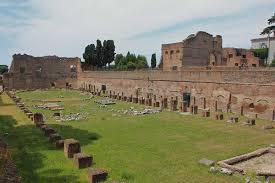
On the Beginning…and End of Civilizations
“Civilization is social order promoting cultural creation. Four elements constitute it: economic provision, political organization, moral traditions, and the pursuit of knowledge and the arts. It begins where chaos and insecurity end. For when fear is overcome, curiosity and constructiveness are free, and man passes by natural impulse towards the understanding and embellishment of life.” …
-
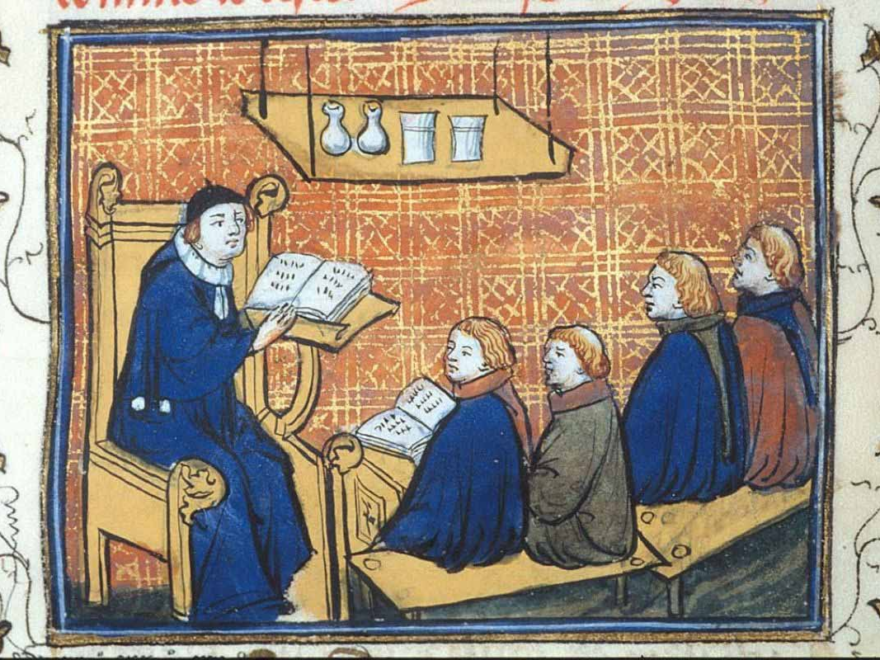
Wisdom from the Heights of the Mountain Top: Inspiration from Thomas Aquinas
Onlookers viewing the reconstruction of the Cathedral of Notre Dame in Paris might experience something similar to what onlookers in the 1200s had when the original construction of Notre Dame was still underway. Having begun in 1163, it was not completed until 1345. The site of its construction rests upon an island in the middle…
-
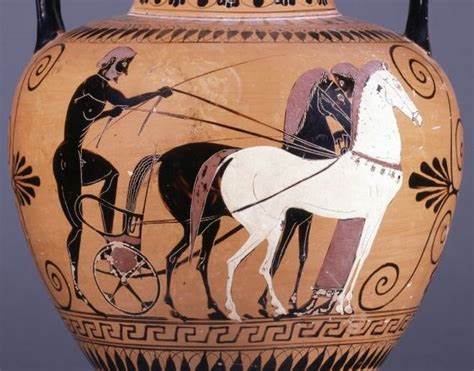
The Soul of Education, Part 2: Plato’s Immortal and Tripartite Soul
In the introduction to this series, we explained how our view of the soul, or nature of a human being, will necessarily impact our practice of education. In our modern world we are bombarded by so many competing views of the soul, both implicit and explicit, that we operate in a confused mess. From behaviorism…
-

Funding the Dream: An Honest Look at College Financial Aid
One of the biggest investments you can make in life is in the education of children. With the rising cost of higher education, many are questioning this proposition. Has the traditional four-year college remained a good investment? Or has it saddled the next generation with a debt burden too great to bear? In this article,…
-

The Education of the Count of Monte Cristo
What are the proper sources for an educational philosophy? Should educators read only sociological journals and experiment in their classroom for the best results? Or is there something more humane and artistic in the nature of teaching? We have decried the technicism and scientism characteristic of modern education before. One consequence of these trends is…
-

Playing the Game: The Typical Rules for College Entry
Let’s be honest, there’s a game being played here. College entry has traditionally been about a very few factors that tell so much about a high school student’s ability to play this game, and not so much about the individual qualities that make that student an interesting person with the potential to be a great…
-
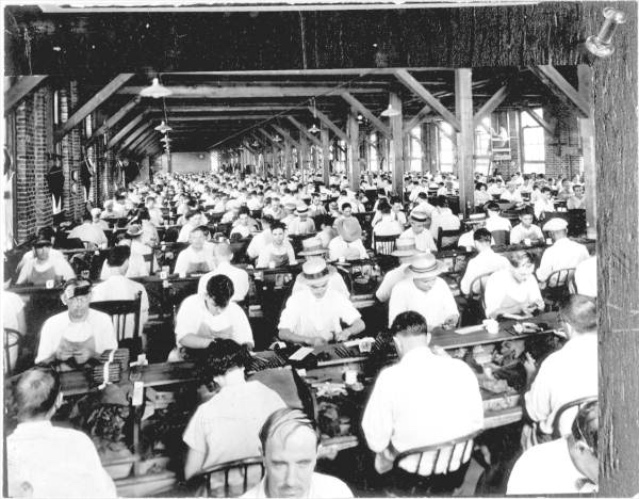
The State of Affairs: Higher Education as an Educational-industrial Complex
As I begin this series on college guidance, my aim is to take seriously our mission to cultivate lifelong learning and flourishing. We must begin with the current state of affairs. We really cannot guide students into the higher education of today without taking stock of the long backstory of colleges and universities. Industrialization has…
-

The Drive to Learn: Three Views on the Desire for Knowledge
What is the purpose of knowledge? What is its draw? What drives us to learn and pursue knowledge about God, the world, and ourselves? Most educators agree that pursuing knowledge is a primary goal of education. But views diverge soon after, specifically when questions about the purpose of knowledge emerge as well as what fields…
-
Counsels of the Wise, Part 4: Preliminary Instruction in Prudence
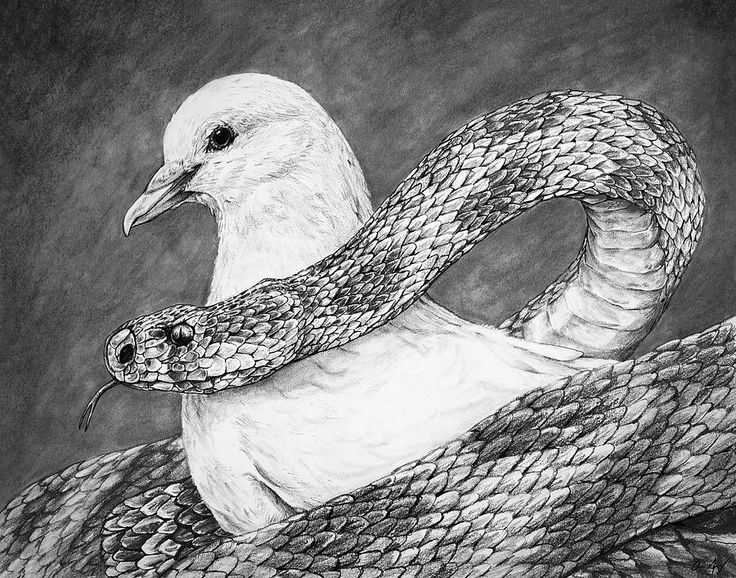
How does a person become wise? What are the proper ingredients in an educational paradigm aimed at prudence? Where would we even begin? So much of K-12 education seems to have nothing to do with practical wisdom, as Aristotle defines it. How do we recover the classical goals of wisdom and virtue in earnest, and…
-
Exploring Our Educational Ideals: Following along Gulliver’s Travels
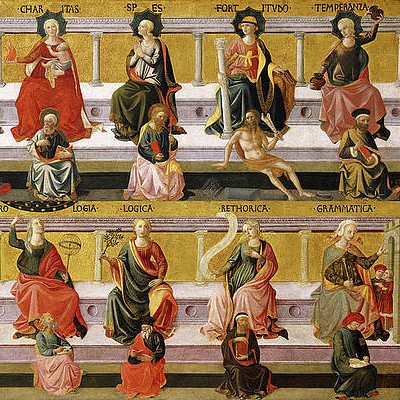
Since its publication in 1726, Gulliver’s Travels by Jonathan Swift has been a popular read both for its initial audience as well as for generations of readers since. In my most recent reading of this travelog with our Enlightenment Humanities class at Clapham School, I was struck by Swift’s thoughts on education. Excavating the claim…